
Optimizing Keck Medicine Imaging Workflows During Transition
Executive Summary
Keck Medicine of USC needed to keep imaging operations running reliably during a complex period of change. The work included integrating a newly added hospital environment, migrating PACS ahead of a future EHR migration, and preserving access to imaging data across systems that still relied on legacy identifiers and workflows.
Using the Unifier® enterprise imaging platform, the effort focused on the core processes that keep images moving: routing studies and messages, reconciling patient identity, migrating historical imaging data, standardizing worklists, supporting teleradiology, converting legacy mammography formats, and aligning DICOM and HL7 data across connected systems.
The result was a more consistent imaging workflow during a complex transition. Keck Medicine was able to preserve access to prior imaging, reduce operational friction, maintain downstream integrations, and continue supporting radiologists, clinicians, technologists, and remote reading teams throughout the migration.
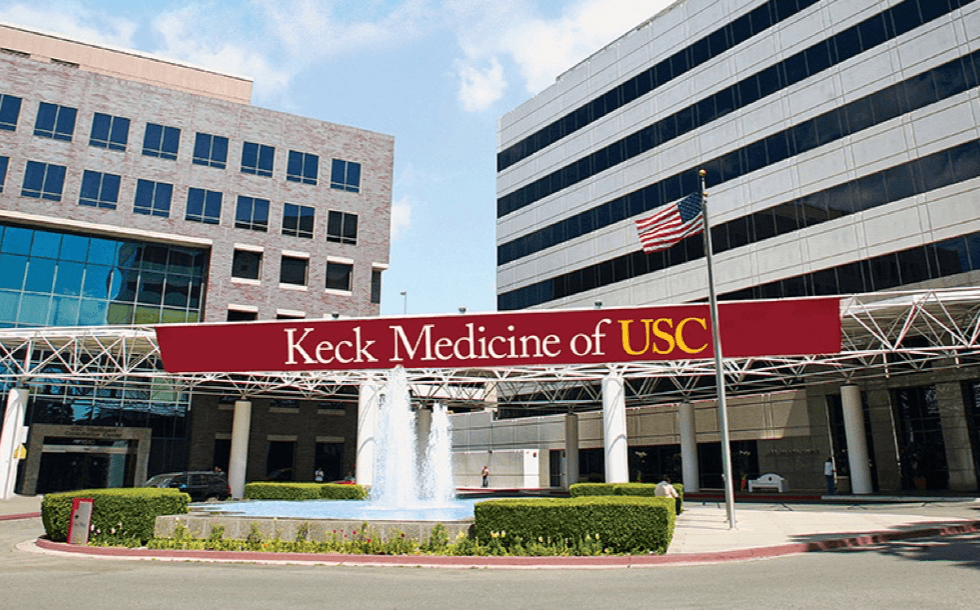
About Keck Medicine of USC
Keck Medicine of USC is the University of Southern California’s medical enterprise, one of only two university-based medical systems in the Los Angeles area. Keck Medicine combines academic excellence, world-class research, and state-of-the-art facilities to provide highly specialized care for some of the most acutely ill patients in the country.
Its internationally renowned physicians and scientists provide world-class patient care at Keck Hospital of USC, USC Norris Cancer Hospital, USC Verdugo Hills Hospital, USC Arcadia Hospital, and more than 100 unique clinics in Los Angeles, Orange, Kern, Tulare, and Ventura counties, as well as in Las Vegas.
Background: Imaging Operations During a System Transition
The immediate challenge was to bring imaging operations from a newly added hospital into Keck Medicine’s broader infrastructure without disrupting daily care. Studies, orders, results, patient identifiers, worklists, prior exams, and remote reading services all had to remain available while systems were connected and migrated.
Because the PACS migration came before the EHR migration, legacy and enterprise systems would need to coexist for an extended period. Orders still originated in the legacy EHR, but images had to move into the enterprise PACS and remain usable by report dictation, medical records, modality worklists, teleradiology, patient identity tools, and other downstream systems.
Challenges Identified
Maintaining imaging operations during a complex system transition
The newly added hospital supported high-volume imaging through long-standing legacy systems and held a substantial archive of historical studies. Those operations could not pause while the new environment was brought online.
The sequencing added complexity. With PACS moving first, orders, results, worklists, studies, and patient identifiers had to be accurately exchanged between legacy and enterprise systems while clinical teams continued their normal work. The environment could not be treated as a brief cutover; both sides had to remain dependable during an extended period of coexistence.
Managing patient identity across legacy and enterprise systems
The PACS-first approach required both a legacy MRN and an enterprise MRN to remain active. Which identifier was needed depended on where an order began, where a study was stored, and where the report had to return. A matching error could misfile a study, misroute a report, or create a duplicate record, with consequences across PACS, worklists, dictation, medical records, results delivery, and clinical review.
Migrating and standardizing legacy imaging data
Keck Medicine also needed to move a large archive from legacy PACS environments into the enterprise PACS. The archive included DICOM and non-DICOM studies, as well as exams stored in proprietary or non-standard formats.
Mammography presented a specific challenge. Some prior exams were stored as Computed Tomography Objects (CTO) or Secondary Capture Objects (SCO), formats that did not support consistent viewing in the enterprise PACS. They had to be converted to DICOM-compliant Breast Tomosynthesis Objects (BTO) without losing searchability, patient association, or value as comparison studies.
Integrating downstream imaging support systems
The imaging environment extended well beyond PACS and EHR connectivity. Report dictation, medical records, modality worklists, teleradiology, and other support systems each had their own requirements for DICOM and HL7 exchange, identifiers, routing, and results delivery. A breakdown at any point could create delays, manual rework, or data integrity concerns.
Workflow Improvement Strategy
Keck Medicine treated the project as an imaging workflow transformation rather than a conventional PACS cutover. Unifier served as the interoperability and workflow layer, enabling legacy and enterprise systems to operate together as the organization prepared for the subsequent EHR migration. The objective was not simply to connect applications, but to preserve the relationships among patients, orders, studies, reports, and the people who relied on them.
The first priority was to establish dependable movement of studies, orders, and results. DICOM and HL7 routing rules accounted for modality, location, order details, priority, destination, and reading workflow, ensuring information reached the appropriate system and care team.
The design also reflected the practical reality of two EHR environments. Imaging orders still had to be accepted from the legacy EHR and aligned with enterprise PACS and patient identity requirements. Results then had to be returned to the originating system with the identifiers clinicians expected to see, so they could continue working within familiar clinical workflows during the transition.
Patient identity was built into the workflow rather than treated as a downstream cleanup task. Integration with the Enterprise Master Patient Index (EMPI) enabled reconciliation of legacy and enterprise MRNs while preserving the identifiers required by each connected system. Exceptions could then be identified and reviewed before they affected study filing or report delivery.
Historical imaging was treated as part of the clinical record, not simply as data to be transferred. DICOM, non-DICOM, and proprietary mammography studies needed to retain the metadata, identifiers, and accessibility that made them useful for comparison and decision-making.
At the point of acquisition, enterprise DICOM Modality Worklist (DMWL) standardized patient and order information across modalities and locations. This was especially important while legacy orders, enterprise PACS requirements, and patient identity mapping were all in play, because errors introduced at acquisition would otherwise follow the study through interpretation and reporting.
Remote interpretation also had to continue throughout the transition. Teleradiology workflows were therefore incorporated into the same routing and identity framework used for on-site reading, reporting, and results delivery. This kept remote coverage connected to the enterprise workflow rather than operating as a separate process.
Finally, DICOM and HL7 transformation rules addressed differences in how connected systems structured information. Those rules kept orders, images, results, identifiers, accession numbers, and study metadata aligned across both environments.
Implementation Areas
- DICOM and HL7 Routing: Unifier routing rules routed studies, orders, and results based on modality, location, priority, destination, and reading workflow. The rules reduced manual handling and gave the team a consistent way to direct imaging information across a changing environment.
This capability was particularly important during the period between the PACS and EHR migrations, when imaging data had to cross legacy and enterprise systems without interrupting care. - Integration Across Imaging and Clinical Systems: Integration workflows linked the legacy EHR, Keck Enterprise EHR, enterprise PACS, report dictation, medical records, modality worklists, and other imaging support systems. Orders, results, patient identifiers, and study information were translated and delivered in the format required by each destination. This allowed connected systems to keep functioning even though they were not all changing on the same schedule.
- Dual-MRN and EMPI Patient Matching: Unifier-supported identity workflows reconciled the legacy MRN with the enterprise MRN while preserving each identifier where it was still required. Rather than replacing the legacy identity outright, the workflow maintained the connection between both records. Potential mismatches, duplicates, and other exceptions were flagged for review before they could affect study filing, report delivery, or downstream systems.
- DICOM and Non-DICOM Data Migration: Historical DICOM and non-DICOM studies were moved from legacy PACS environments into the enterprise PACS. Because the archive represented years of clinical history, the migration addressed image data, patient identifiers, study metadata, accession numbers, and long-term access, rather than treating the work as a simple file transfer.
The goal was not simply to complete the transfer but to preserve the archive’s clinical usefulness. Prior exams remained searchable, correctly associated with patient records, and available to radiologists for comparison. - Enterprise DICOM Modality Worklist: Enterprise DMWL workflows standardized the patient and order information presented at modalities across departments and locations. Technologists could select current order details at acquisition, reducing the need for corrections later in the imaging and reporting process and improving consistency before images entered the enterprise PACS.
- Teleradiology Workflow Support: Teleradiology workflows securely routed studies and related data to remote radiologists for after-hours coverage and collaborative reading. These workflows remained connected to the same patient identity, reporting, and results delivery processes used across the enterprise, helping remote interpretation continue without creating a parallel or disconnected workflow.
- SCO/CTO to BTO Conversion: Historical mammography studies stored as SCO and CTO were converted into DICOM-compliant BTO objects for viewing and retrieval in the enterprise PACS. Radiologists could access prior exams in a consistent format, compare them with current studies, and use the historical record more effectively during interpretation.
- DICOM and HL7 Transformations: Unifier transformation workflows aligned orders, images, results, and patient identifiers across systems with different data requirements. HL7 transformations supported order and result exchange among the legacy EHR, Keck Enterprise EHR, EMPI, and imaging systems; DICOM transformations maintained consistency in patient demographics, accession information, image metadata, and study details.
These transformations were essential during the PACS-first migration because both environments had to remain usable without breaking the relationship among patients, orders, studies, and reports. - Coordinated Deployment: The work was deployed as a coordinated program rather than a series of isolated interfaces. Routing, integration, patient matching, migration, worklists, teleradiology, format conversion, and transformation were sequenced around shared dependencies and one operational objective: keeping imaging services dependable throughout the transition.
Outcomes and Results
Together, the Unifier-supported workflows strengthened Keck Medicine’s imaging operations during the migration. The value extended beyond a successful technical cutover; the work created a more consistent foundation for patient identity, data access, reporting, and continued enterprise integration.
More Reliable Imaging Data Flow: Study and message movement became more predictable across the legacy environment, enterprise PACS, EHR systems, report dictation, medical records, modality worklists, and teleradiology. More consistent routing reduced manual intervention and the delays that can follow when information reaches the wrong destination.
Improved Workflow Efficiency: Standardized routing, enterprise worklists, and coordinated integrations made it easier for teams to work across departments and locations. Radiologists had more consistent access to studies and worklists, while technologists received more accurate order information at the time of acquisition.
Stronger Patient Identity and Data Integrity: Dual-MRN and EMPI matching kept legacy and enterprise identifiers aligned across orders, studies, reports, and downstream systems. Exception handling reduced the risk of duplicate entries, mismatched studies, and incorrect report delivery during the period when both identifier structures were active.
Standardized Access to Historical Imaging: Migration and conversion workflows preserved access to historical DICOM and non-DICOM imaging in the enterprise PACS. Prior studies remained searchable, retrievable, and connected to the correct patient record.
For mammography, converting SCO and CTO objects to DICOM-compliant BTO made prior exams easier to view and compare within the current workflow.
Continued Support for Remote Interpretation: Remote radiologists continued to receive the studies and related data needed for interpretation. The integrated teleradiology workflow preserved after-hours coverage and diagnostic collaboration without separating remote reading from patient identity, reporting, and results delivery.
Maintained Operational Integrity During Transition: Keck Medicine continued imaging operations while integrating the new hospital environment and moving to the enterprise PACS ahead of the EHR migration. Coordinated routing, synchronized worklists, patient identity reconciliation, historical data migration, and downstream integration limited disruption for radiologists, clinicians, technologists, and support teams.
Strengthening Enterprise Imaging Through Coordinated Transition Planning
Keck Medicine’s experience shows why enterprise imaging modernization cannot be managed as a data transfer or system cutover alone. Success depends on understanding the clinical workflows, identifiers, and connected systems that must continue to function throughout the change.
The PACS-first sequence made that coordination especially important. Legacy and enterprise systems had to coexist, dual MRNs had to remain aligned, and information had to stay accurate across orders, studies, reports, worklists, and downstream applications. Historical imaging was equally important. By preserving DICOM and non-DICOM archives and converting legacy mammography formats, Keck Medicine kept prior studies available for clinical comparison and continuity of care.
The project also accounted for the full imaging ecosystem, including report dictation, medical records, modality worklists, and teleradiology. Addressing those dependencies as part of a single program allowed imaging teams to continue working while the broader environment changed.
The project succeeded because the technical work remained tied to clinical continuity. By planning for routing, identity, migration, worklists, teleradiology, and downstream integrations within a single operating environment, Keck Medicine could modernize its imaging infrastructure while limiting risk. That coordinated approach strengthened the imaging foundation and positioned the organization for the next phase of enterprise integration.